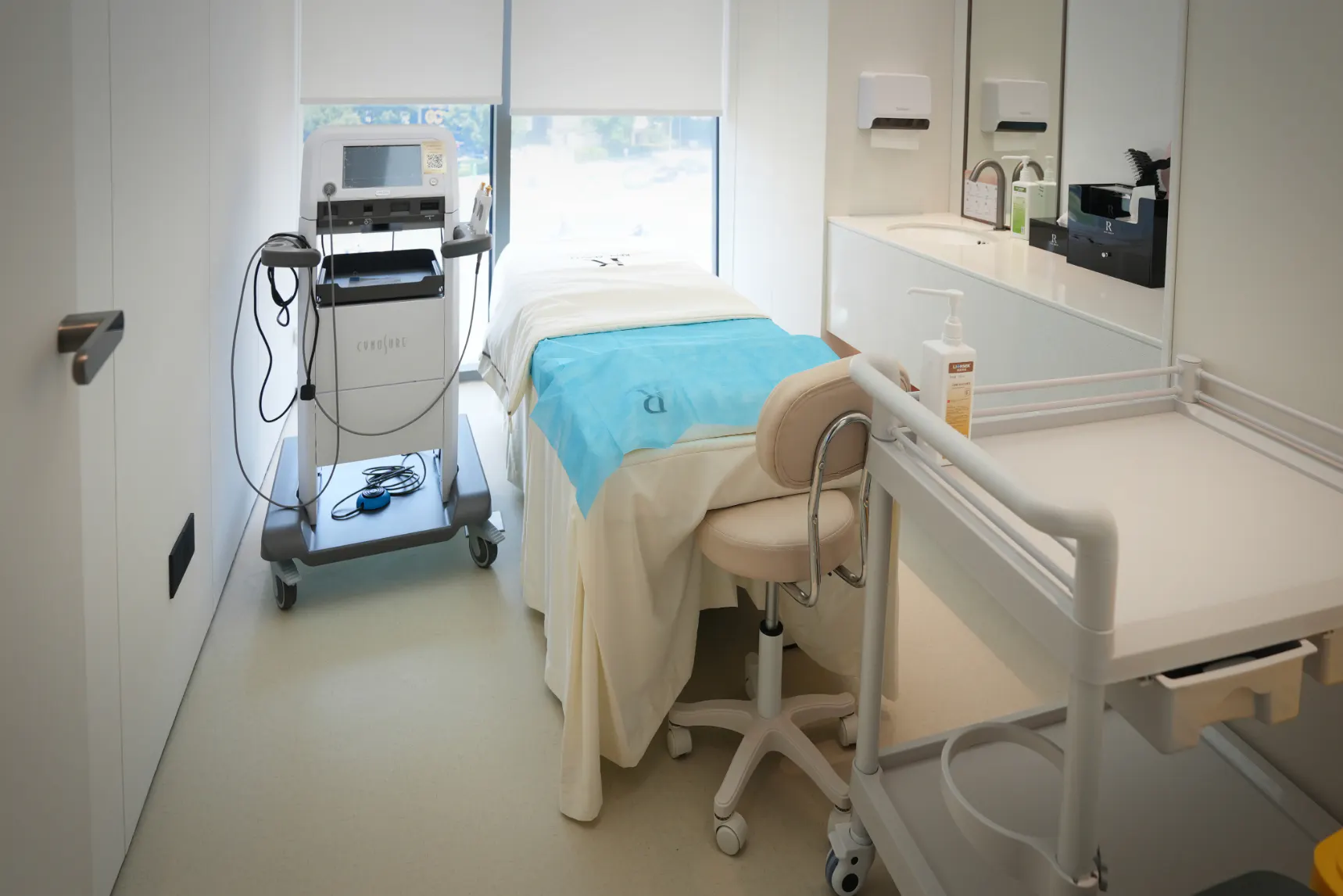
Accurate assessment
The nose must first be assessed for inflammation, skin contracture, and whether an implant should be removed. A reliable evaluation is generally possible at least six months after the previous surgery.


Complications such as bleeding, infection, and inflammation may occur after surgery, and individual satisfaction may vary. Please consult a doctor.

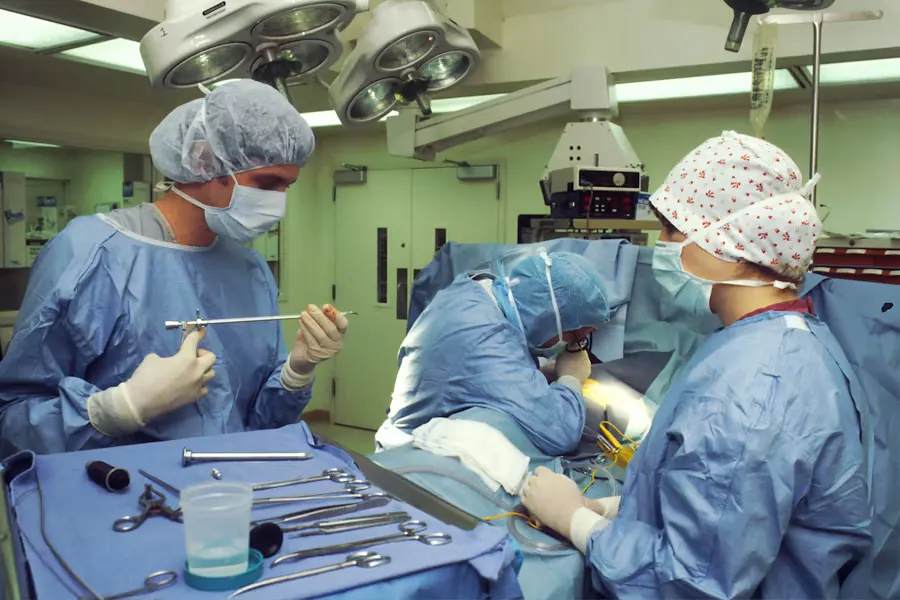

NEVER AGAIN
Revision rhinoplasty is best considered at least six months to one year after the previous operation, once the nose has stabilized. An initially unsatisfactory shape may improve as swelling subsides and the tissues settle.
Accurate assessment
The nose must first be assessed for inflammation, skin contracture, and whether an implant should be removed. A reliable evaluation is generally possible at least six months after the previous surgery.
Meticulous design
For a more precise revision, the nasal line is designed three times: during consultation, while seated in the operating room, and again while lying on the operating table.
Surgery by an experienced specialist
A specialist with more than ten years of rhinoplasty experience performs the operation, supported one-to-one by an anesthesiology and pain medicine specialist.
Attentive postoperative care
REAL patients commonly report natural-looking results and swelling and bruising that settle sooner than expected.
Revision rhinoplasty is best considered at least six months to one year after the previous operation, once the nose has stabilized. An initially unsatisfactory shape may improve as swelling subsides and the tissues settle.
The nose must first be assessed for inflammation, skin contracture, and whether an implant should be removed. A reliable evaluation is generally possible at least six months after the previous surgery.
For a more precise revision, the nasal line is designed three times: during consultation, while seated in the operating room, and again while lying on the operating table.
A specialist with more than ten years of rhinoplasty experience performs the operation, supported one-to-one by an anesthesiology and pain medicine specialist.
REAL patients commonly report natural-looking results and swelling and bruising that settle sooner than expected.
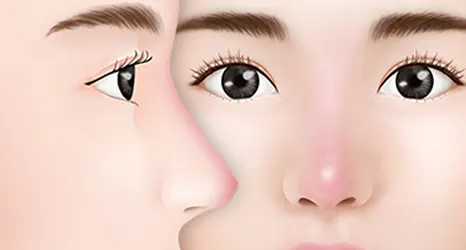
Successful surgery =
Accurate diagnosis + an effective method
An experienced revision rhinoplasty specialist identifies the cause of the previous failure and creates a more natural nasal shape.
Acute inflammatory stage
Implant replacement and correction
Contracted-nose correction
Autologous-tissue rhinoplasty
Inflamed nose
During acute inflammation, inflamed tissue and the implant must be removed because irrigation and antibiotics alone often cannot resolve the inflammation. If edema, redness, or an abscess is present, further surgery should wait until the inflammation has fully cleared.
Outstanding expertise and experience
01


The priority in revision surgery is to resolve problems from the previous operation. Proceeding without identifying and correcting them is like leaving a tangled knot unresolved and may create larger problems.
To create a harmonious nose, we aim to transform the limitations of the previous surgery into natural strengths wherever possible.
Revision surgery requires a highly skilled surgeon with problem-solving ability and extensive clinical experience. REAL's rhinoplasty specialists bring more than ten years of experience to complex cases.



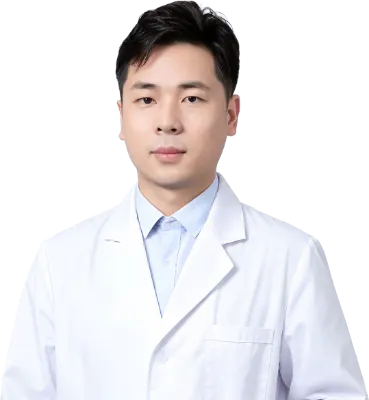




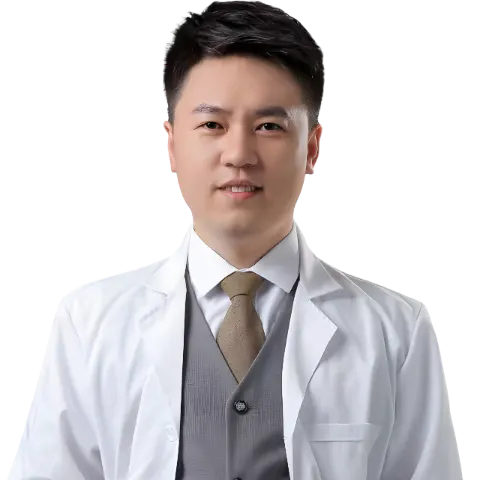
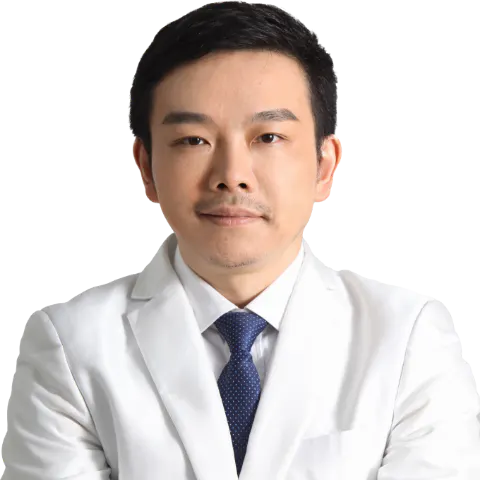






















Technology and experience elevated to a new level
Surgical specialists
Specialists
Specialists
Specialists
Specialists
Specialists
Specialists
REAL medical team
Specialists
Specialists
Specialists
Specialists
Specialists
REAL medical team
Dermatology specialist — REAL clinic
Specialists
Specialists
Specialists
Specialists
Specialists
Specialists
Specialists
Specialists
REAL medical team
Dermatology specialist — AMAN clinic
Specialists
Specialists
Specialists
Specialists
Specialists
Specialists
REAL medical team
Dermatology specialist — REGAL clinic
Specialists
Specialists
Specialists
Specialists
Specialists
Specialists
Specialists
REAL medical team
Surgical specialists
Specialists
Specialists
Specialists
Specialists
Specialists
Specialists
Specialists
Specialists
Specialists
Specialists
Specialists
Dermatology specialist — REAL clinic
Specialists
Specialists
Specialists
Specialists
Specialists
Specialists
Specialists
Specialists
Dermatology specialist — AMAN clinic
Specialists
Specialists
Specialists
Specialists
Specialists
Specialists
Dermatology specialist — REGAL clinic
Specialists
Specialists
Specialists
Specialists
Specialists
Specialists
Specialists
A nose designed for you
Q&A
Wait at least six months after the previous surgery. Swelling and tissue recovery take time, so choose the timing after an in-person assessment by a specialist.
Implant replacement depends on the current condition and the desired nasal shape.
Visibility may result from implant height or size and the condition of the skin. Implant-related issues may be improved, but very thin skin can reveal even a thin implant; in such cases a dermal graft may be needed.
Revision recovery is generally somewhat longer than after the first operation and depends on the internal condition of the nose. Recovery time varies by individual.

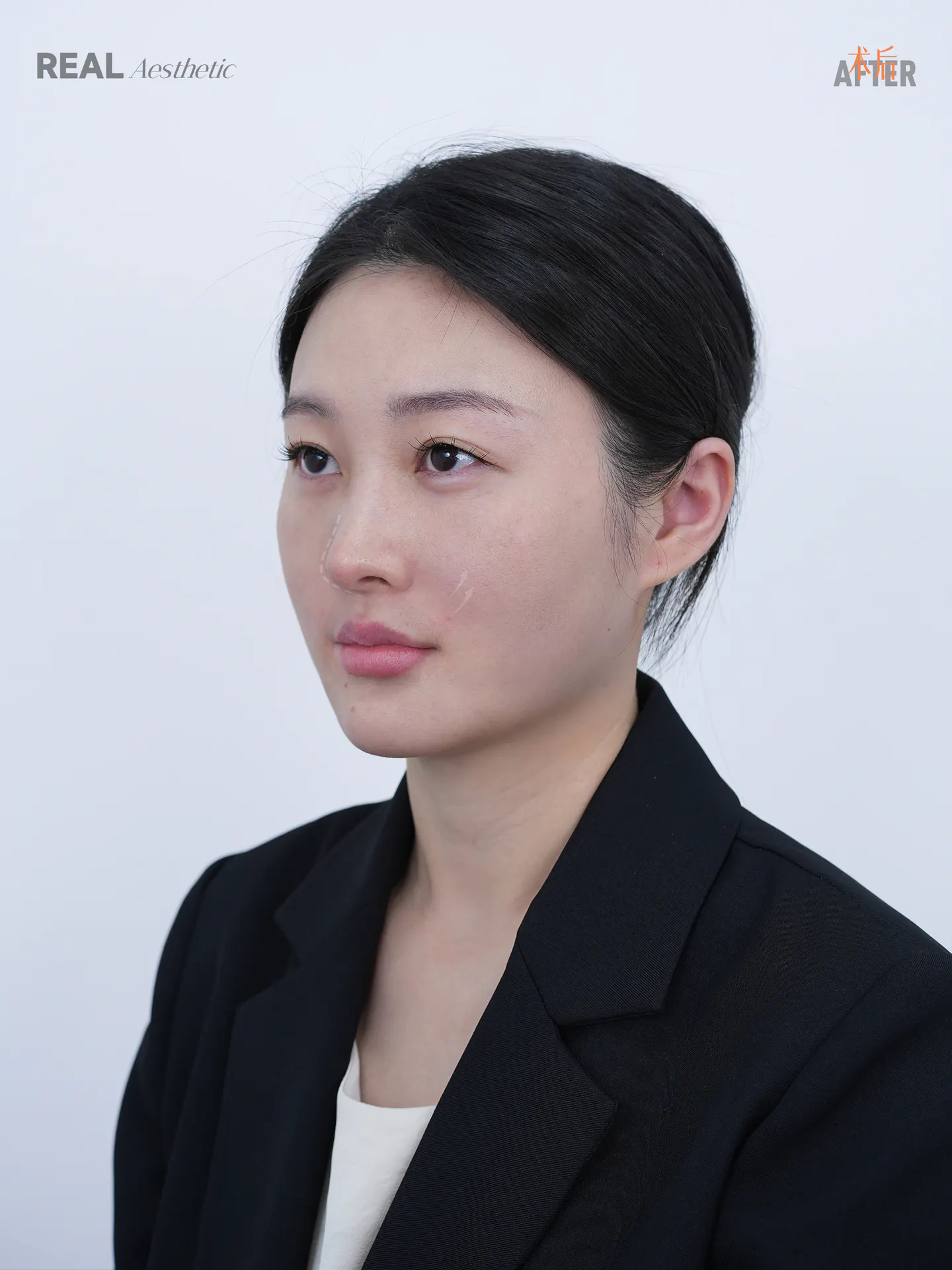
Revision rhinoplasty reviews
Real revision rhinoplasty cases
If you are being treated or taking medication for high blood pressure, heart disease, diabetes, or a thyroid condition, inform your coordinator in advance.
Stop smoking before surgery because cigarettes can trigger phlegm, sneezing, and postoperative bleeding.
Observe the required fasting period before surgery.
Contact lenses, jewelry, nail products, and similar items may interfere with surgery, so remove them beforehand.
Wear comfortable clothing that will not irritate the surgical area when you come to the hospital.
You may be unable to drive after surgery.