Specialists
Sang Jianbo



Eye-shape correction for bright, beautiful eyes
Complications such as bleeding, infection, and inflammation may occur after surgery, and individual satisfaction may vary. Please consult a doctor.

Beautiful, bright eyes
Eye-shape Correction
What is ptosis eye-shape correction?
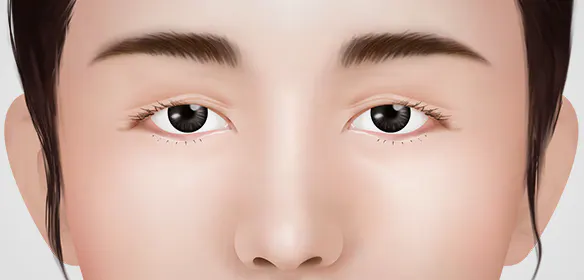
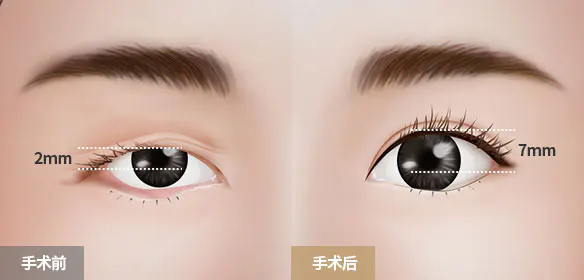
Ptosis makes the eyes look tired because the eyelid-elevating muscle is weak or its nerve is abnormal. The eyelid may not open fully, droop, or cover too much of the pupil. Correction exposes more of the pupil, making the eyes brighter and clearer.
Why eye-shape correction may be needed instead of double-eyelid surgery
Checking for ptosis before double-eyelid surgery is essential. Very mild ptosis may improve with a standard fold, but severe cases can loosen and make ptosis more obvious. Correction usually adjusts the levator or shortens Müller's muscle; severe cases may require the forehead muscle. It requires greater precision than double-eyelid surgery and should be performed by an experienced surgeon.
01
02
Endoscope
Face lifting
Eyelid fat
More
Less
Eyelid drooping
Severe
Mild
Eye socket
Thick tissue
Moderate
Tired appearance
Very tired
Slightly tired
Eyelid-lifting strength
Very weak
Slightly weak

Incisional / Partial-Incision Eye-Shape Correction
Bright, Beautiful, Larger-Looking Eyes
Incisional or partial-incision eye-shape correction resembles ptosis surgery, adjusting eyelid-lifting force so more of the iris is visible. Weak lifting muscles can create a tired look; adjusting levator shortening makes the eyes brighter. Because deep muscles must be adjusted, meticulous technique is essential.
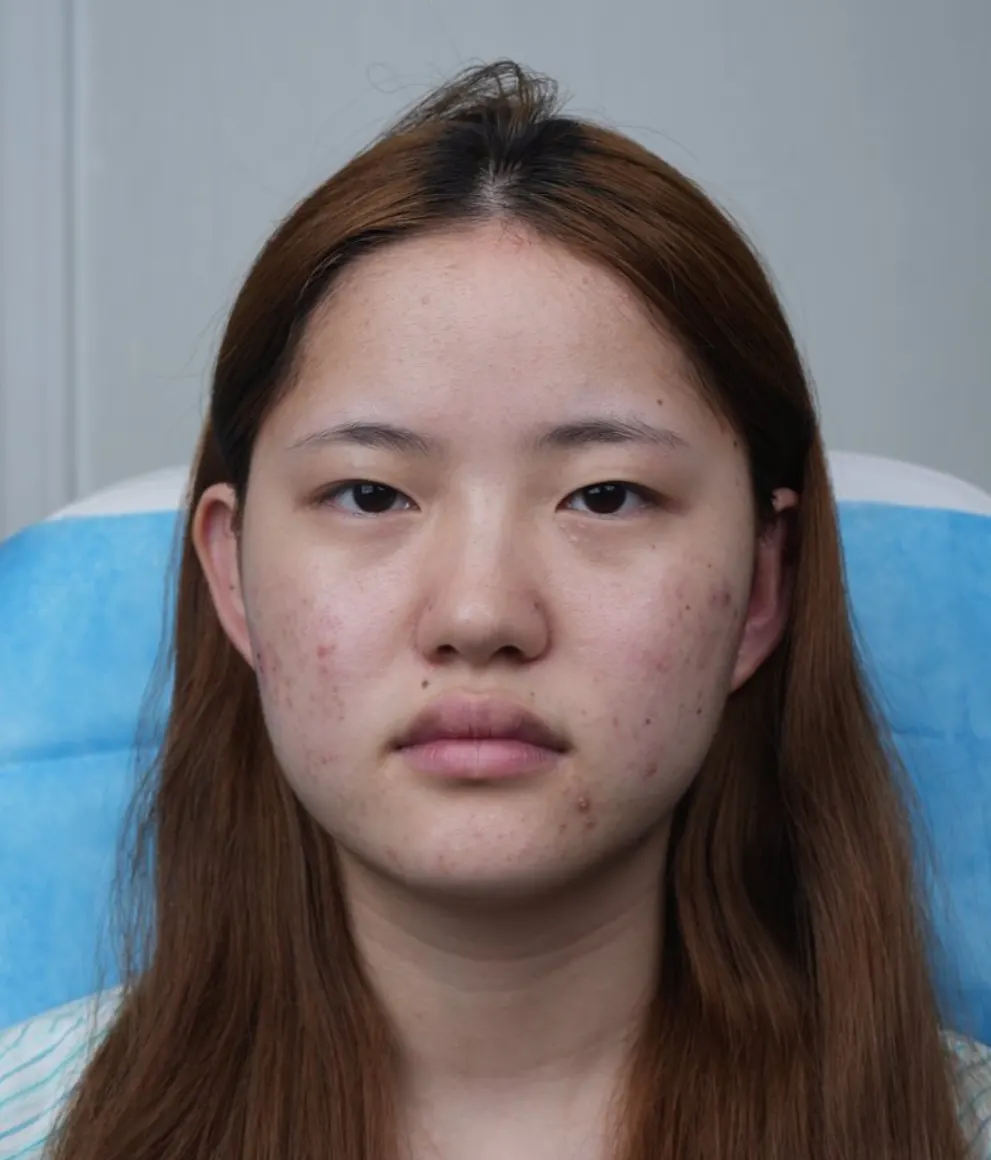
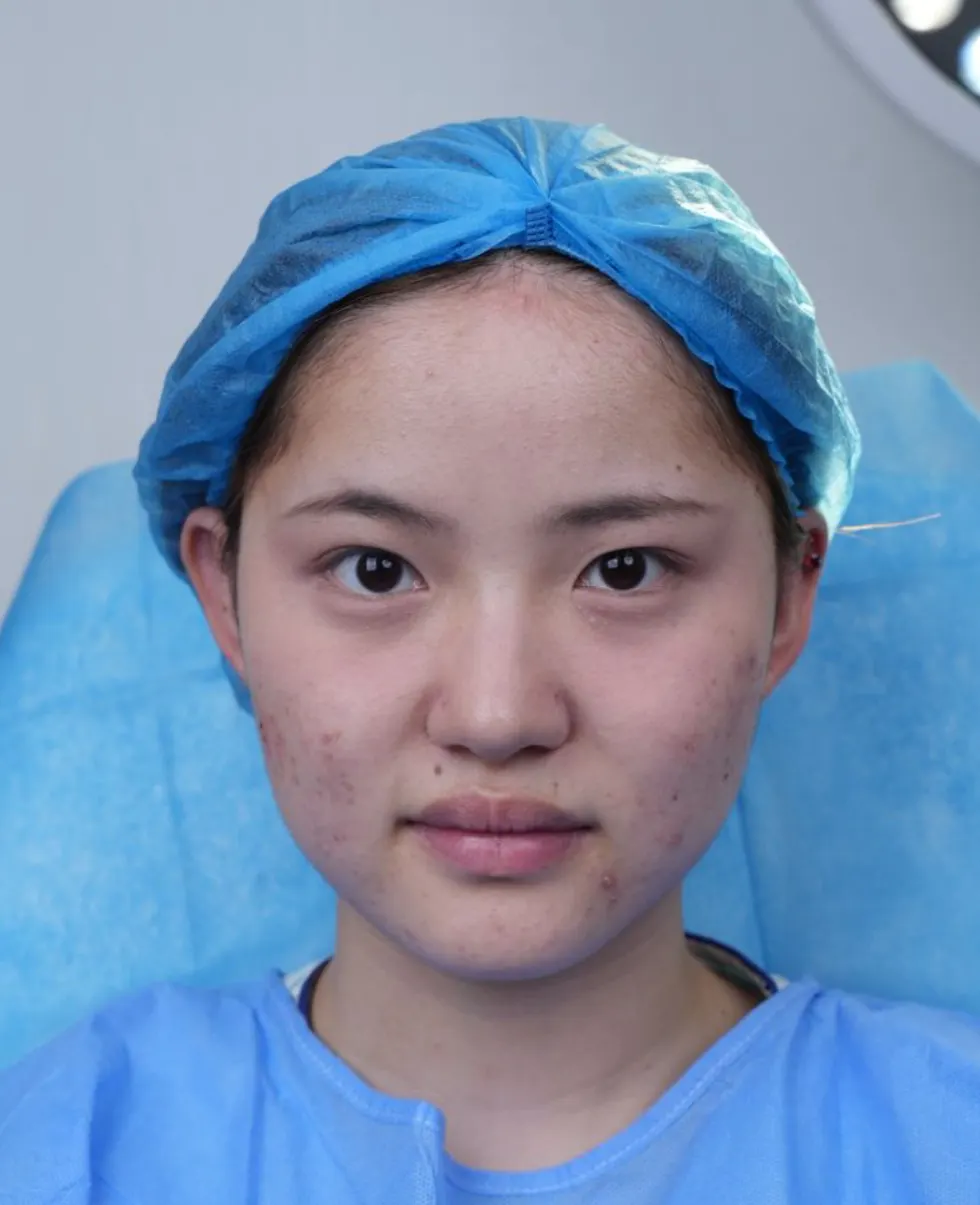
Before-and-after photos
Images may differ from actual appearance due to shooting conditions and are published with the patient's consent.
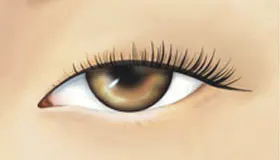
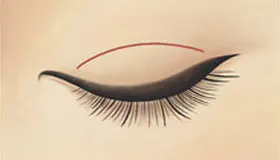

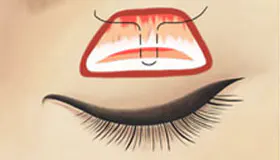
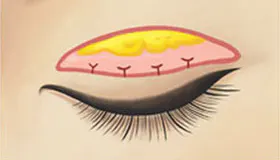
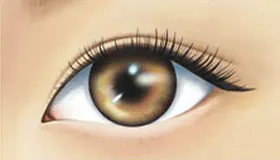
Surgical method
01
Steps
Accurately assess the eyes before surgery and discuss the findings in detail with the specialist.
02
Steps
Design and make an incision based on the required functional and aesthetic correction.
03
Steps
Remove excess fat.
04
Steps
Connect and tighten the eyelid-elevating muscle to the skin.
05
Steps
Adjust each tissue as needed and form the double-eyelid fold.
06
Steps
Create bright, alert eyes with a natural double-eyelid fold.
Anesthesia
Local anesthesia after brief sedation
Procedure time
1.5 hours
Hospital stay
No hospital stay required
Suture removal
Day 4–5 after surgery

Non-incisional eye-shape correction
#Bright and captivating eyes
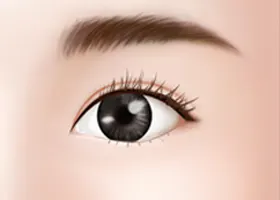
Unlike conventional correction, this method does not cut the skin. Internal sutures secure the levator and Müller's muscle to strengthen elevation. It preserves tissue, leaves no visible scar, causes less swelling and bruising, and allows faster recovery. It can also brighten eyes that remain tired after double-eyelid surgery or when no double fold is desired.
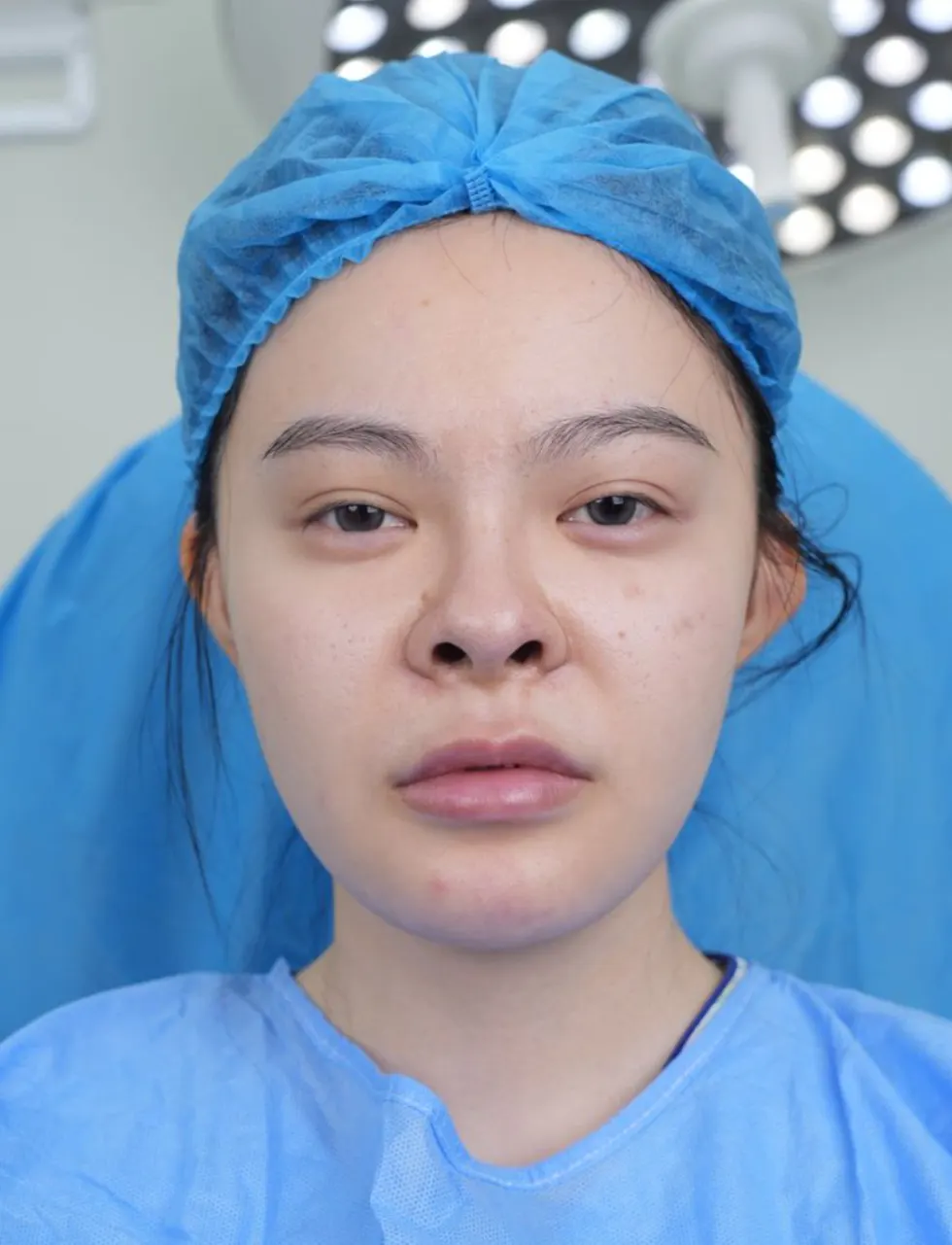
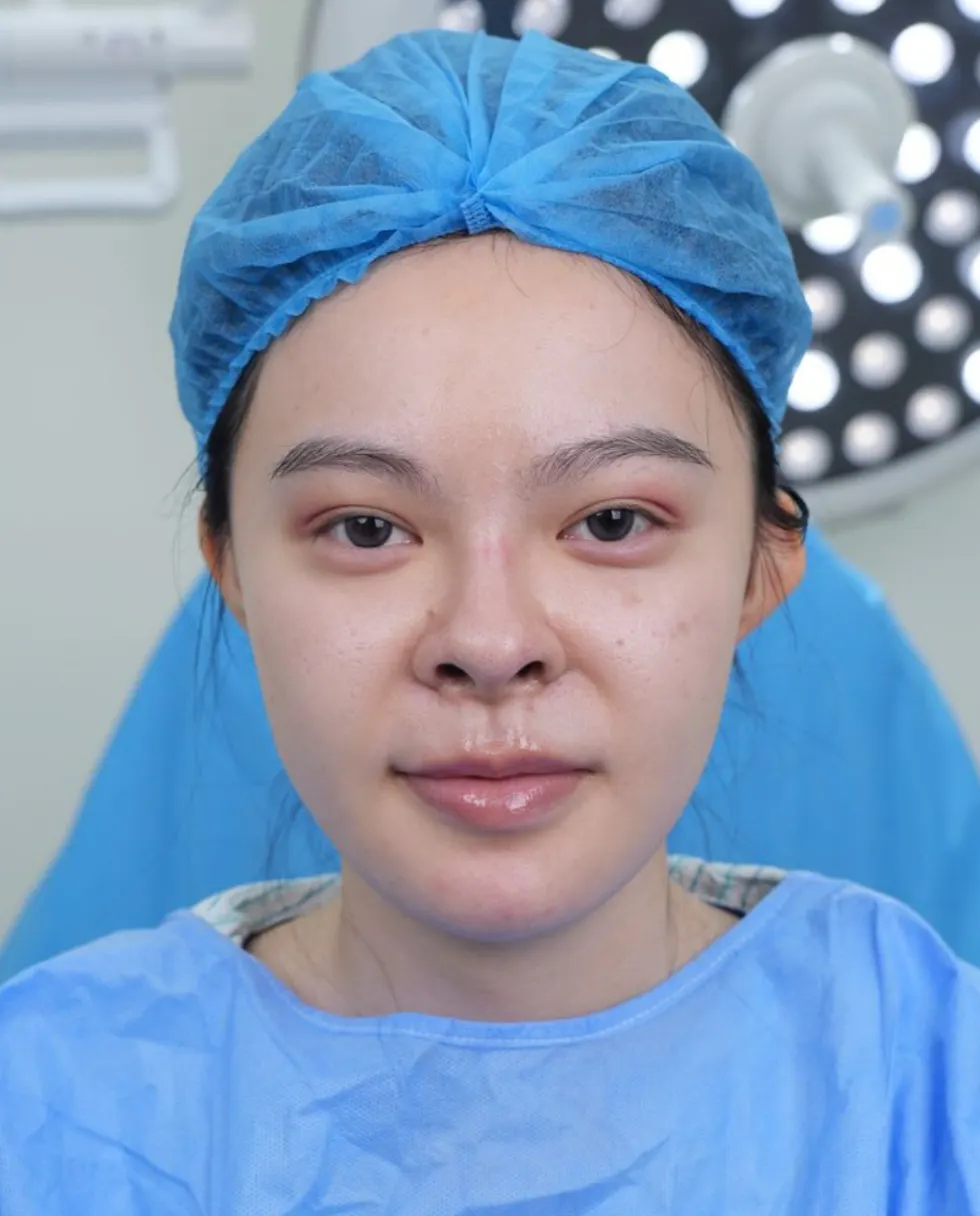
Before-and-after photos
Images may differ from actual appearance due to shooting conditions and are published with the patient's consent.
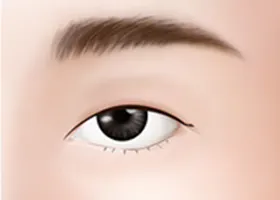
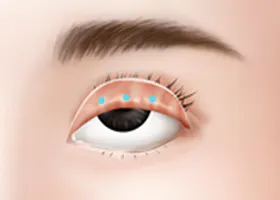
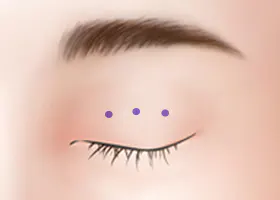
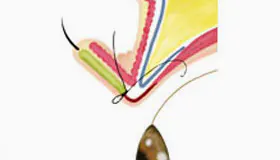
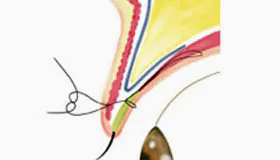
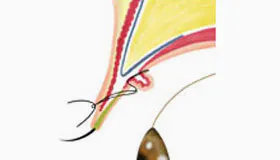
Surgical method
01
Steps
Place sutures to connect the muscle and skin.
02
Steps
Tighten the connected skin and muscle, then knot and secure them to reinforce the muscles used to open the eyes.
03
Steps
The eye-opening muscles are strengthened.
Anesthesia
Local anesthesia after brief sedation
Procedure time
30 minutes
Hospital stay
No hospital stay required
Suture removal
No suture removal


01
Eye-surgery specialists with over 20 years of experience
Eye-surgery specialists with over 20 years of experience
02
REAL results Proportion of referred eye-surgery patients
REAL results Proportion of referred eye-surgery patients
03
REAL results High satisfaction with surgical outcomes
REAL results High satisfaction with surgical outcomes
































Technology and experience elevated to a new level
Surgical specialists
Specialists
Specialists
Specialists
Specialists
Specialists
Specialists
REAL medical team
Specialists
Specialists
Specialists
Specialists
Specialists
REAL medical team
Dermatology specialist — REAL clinic
Specialists
Specialists
Specialists
Specialists
Specialists
Specialists
Specialists
Specialists
REAL medical team
Dermatology specialist — AMAN clinic
Specialists
Specialists
Specialists
Specialists
Specialists
Specialists
REAL medical team
Dermatology specialist — REGAL clinic
Specialists
Specialists
Specialists
Specialists
Specialists
Specialists
Specialists
REAL medical team
Surgical specialists
Specialists
Specialists
Specialists
Specialists
Specialists
Specialists
Specialists
Specialists
Specialists
Specialists
Specialists
Dermatology specialist — REAL clinic
Specialists
Specialists
Specialists
Specialists
Specialists
Specialists
Specialists
Specialists
Dermatology specialist — AMAN clinic
Specialists
Specialists
Specialists
Specialists
Specialists
Specialists
Dermatology specialist — REGAL clinic
Specialists
Specialists
Specialists
Specialists
Specialists
Specialists
Specialists
REAL reveals the secret through the eyes
Q&A
Ptosis occurs when the levator muscle that raises the eyelid is weak, preventing the eye from opening fully. The eyes look sleepy, and patients often use the forehead muscles to open them, creating forehead wrinkles. Because this can make the face look older, many choose eye-shape correction.
Yes. Even with an existing fold, correction can strengthen eyelid elevation, define the line more clearly, and preserve a natural appearance.
A specialist can determine the correct approach. If the eyes look tired or the forehead is used to open them, double-eyelid surgery alone may not be effective, so combined correction is often recommended. With ptosis, a fold alone may remain faint, sag with continued forehead use, or loosen. Follow the method recommended after consultation.
Recovery differs by incision. Most patients resume daily life after one week; major swelling subsides by day 14, when makeup and contacts can usually resume. Mild swelling may take at least six months to settle. Anesthesia: light sleep sedation for 5–10 minutes while local anesthesia is administered. Surgery time: non-incisional 30–40 minutes, partial incision 1 hour, full incision 1–1.5 hours, depending on the eyes. Hospitalization: not required; discharge after 1–2 hours of recovery.
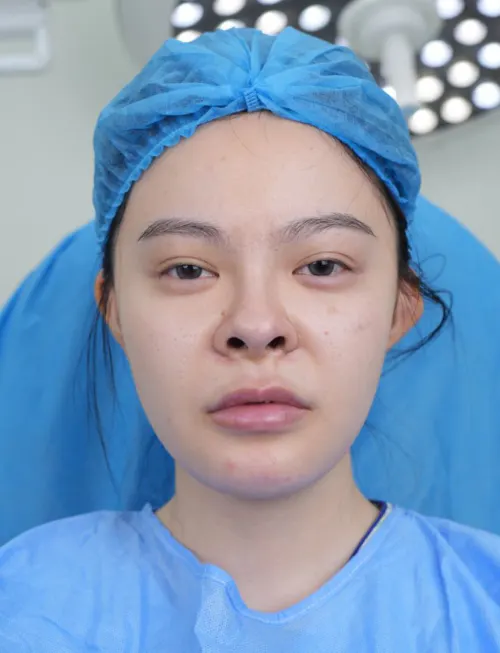
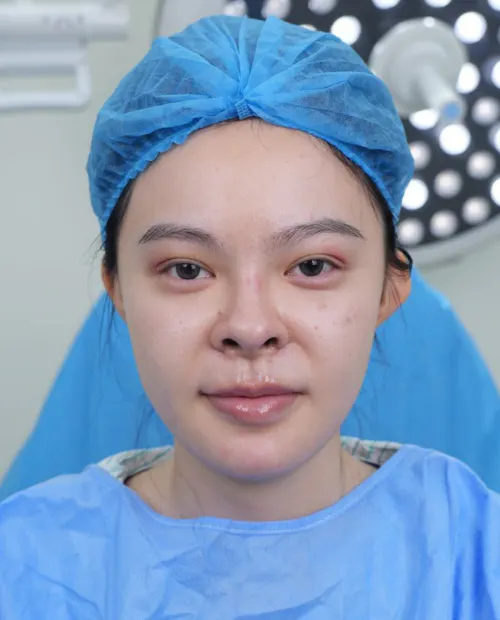
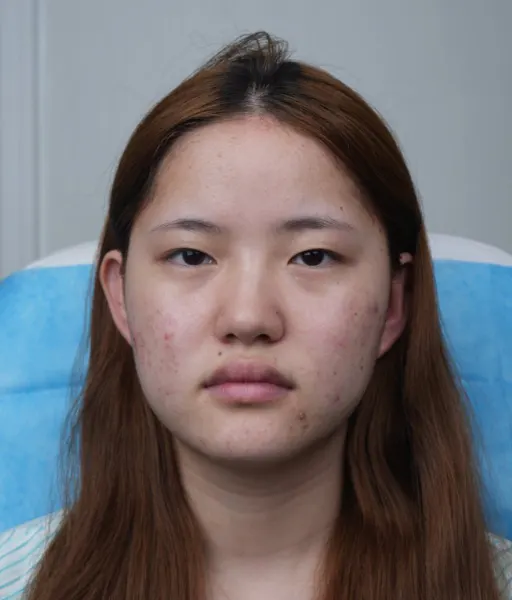
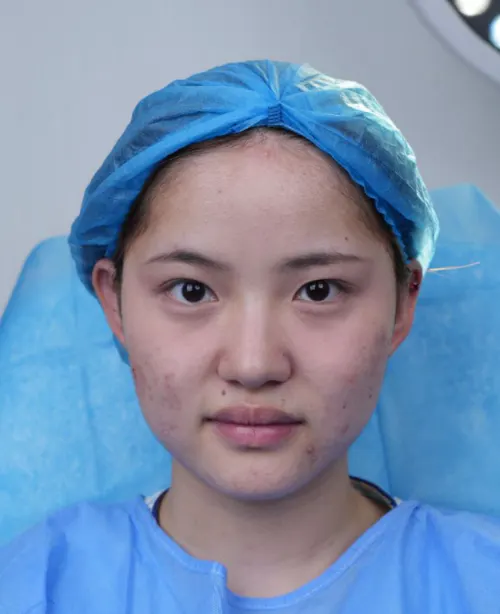
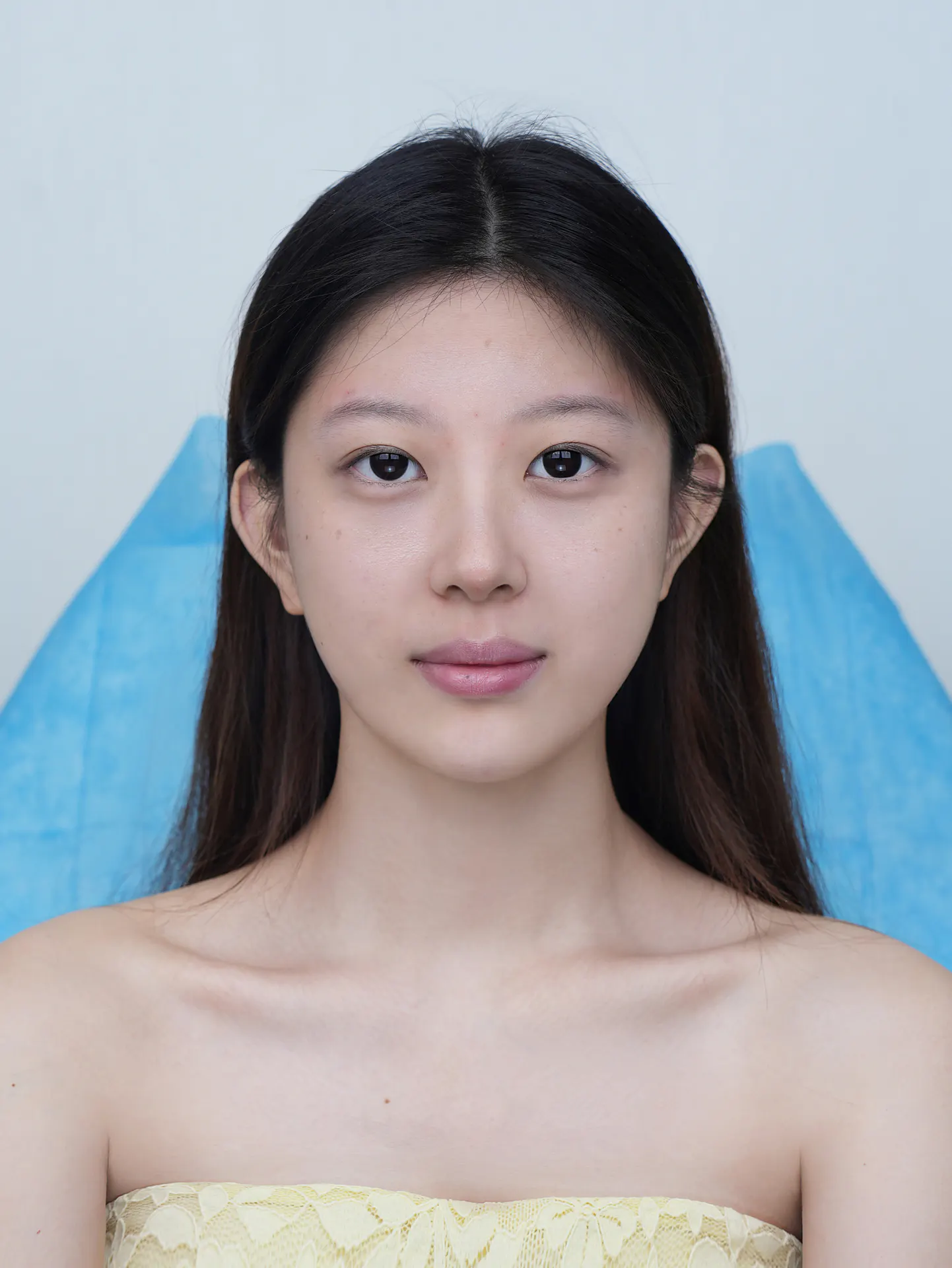
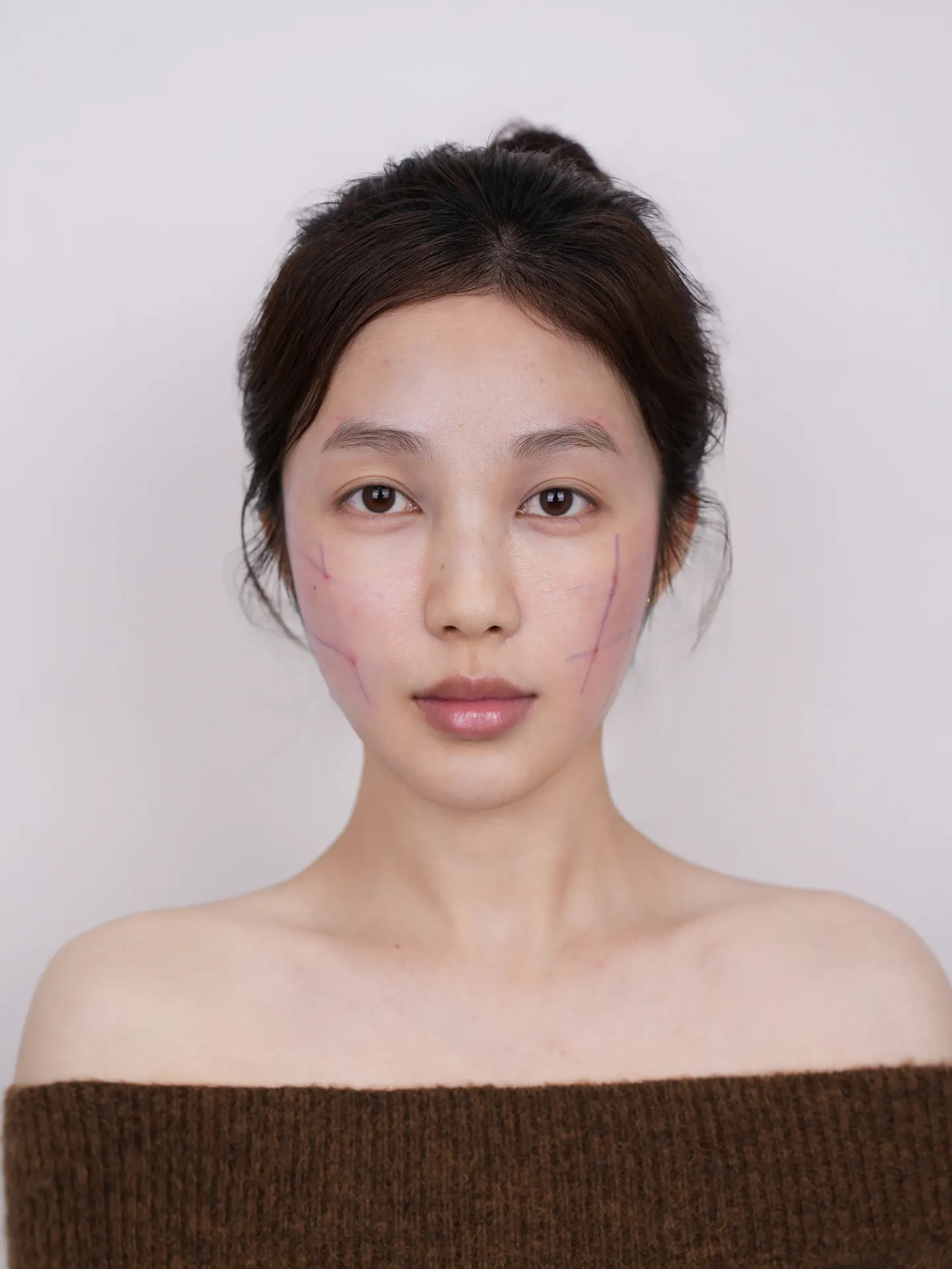
Eye surgery before-and-after photos
Real Eye Surgery Cases
Unretouched images of patients who underwent eye surgery at K





If you are being treated or taking medication for high blood pressure, heart disease, diabetes, or a thyroid condition, inform your coordinator in advance.
Stop smoking before surgery because cigarettes can trigger phlegm, sneezing, and postoperative bleeding.
Observe the required fasting period before surgery.
Contact lenses, jewelry, nail products, and similar items may interfere with surgery, so remove them beforehand.
Wear comfortable clothing that will not irritate the surgical area when you come to the hospital.
You may be unable to drive after surgery.