

Autologous Fat Breast Augmentation
Motiva Implant Breast Augmentation
Breast Augmentation
#REAL breast augmentation#
Healthy, beautifully balanced breasts
An informed choice
Complications such as bleeding, infection, and inflammation may occur after surgery, and individual satisfaction may vary. Please consult a doctor.
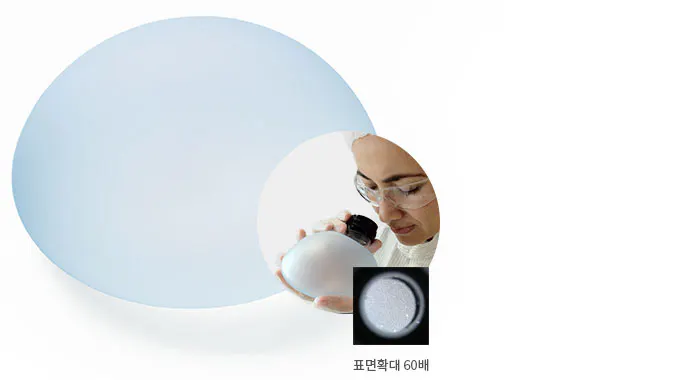
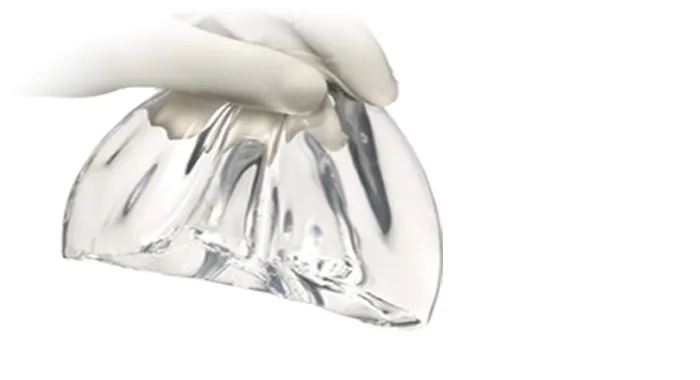
Choose the most natural feel
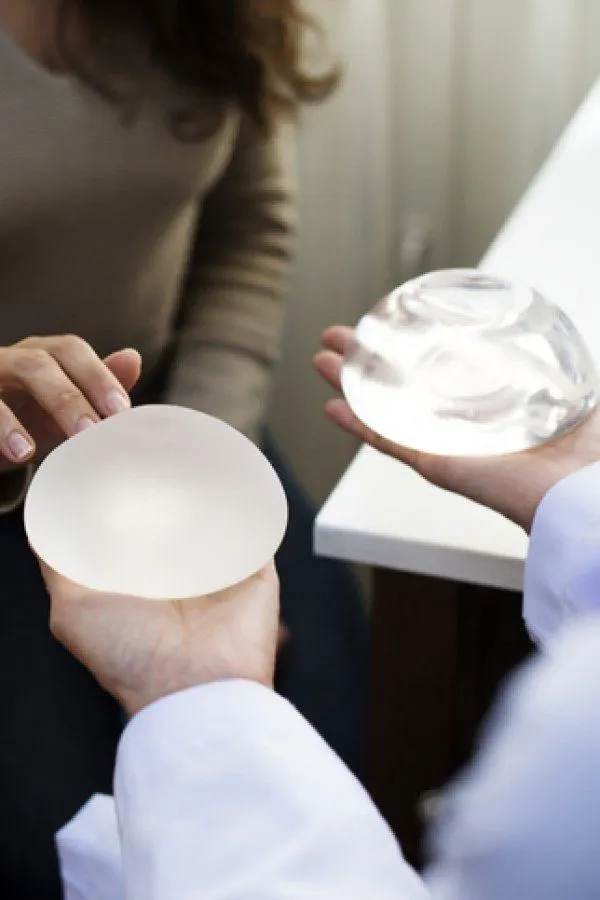
Preview implants to find beauty tailored uniquely to you
Nano surface
Nano-textured surface designed for better tissue compatibility
Smooth type
Postoperative massage required
Low risk of capsular contracture
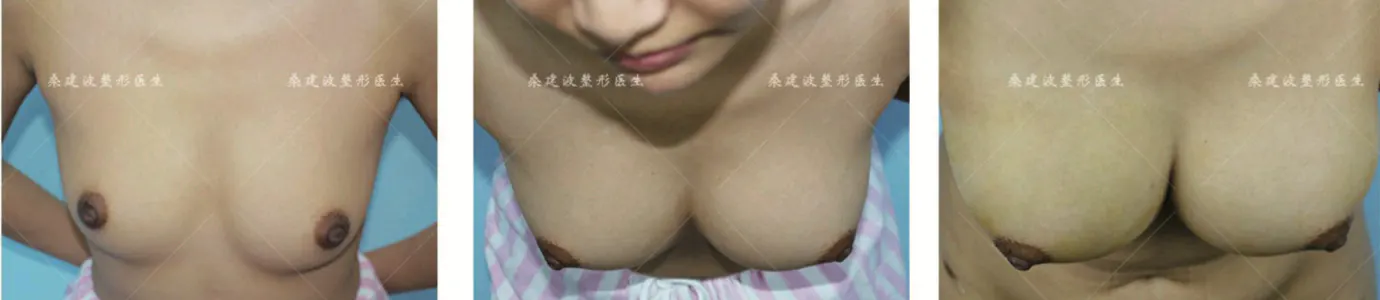
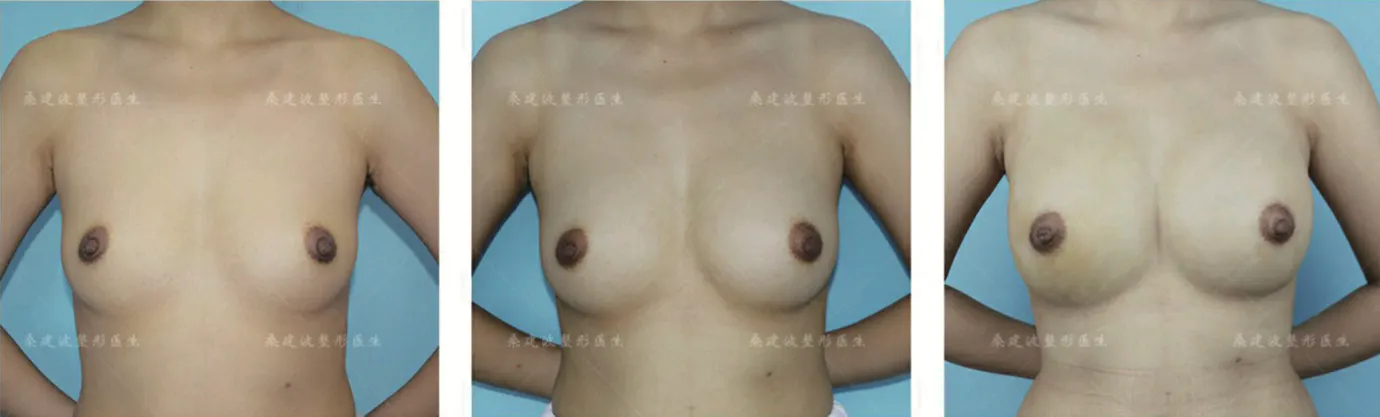
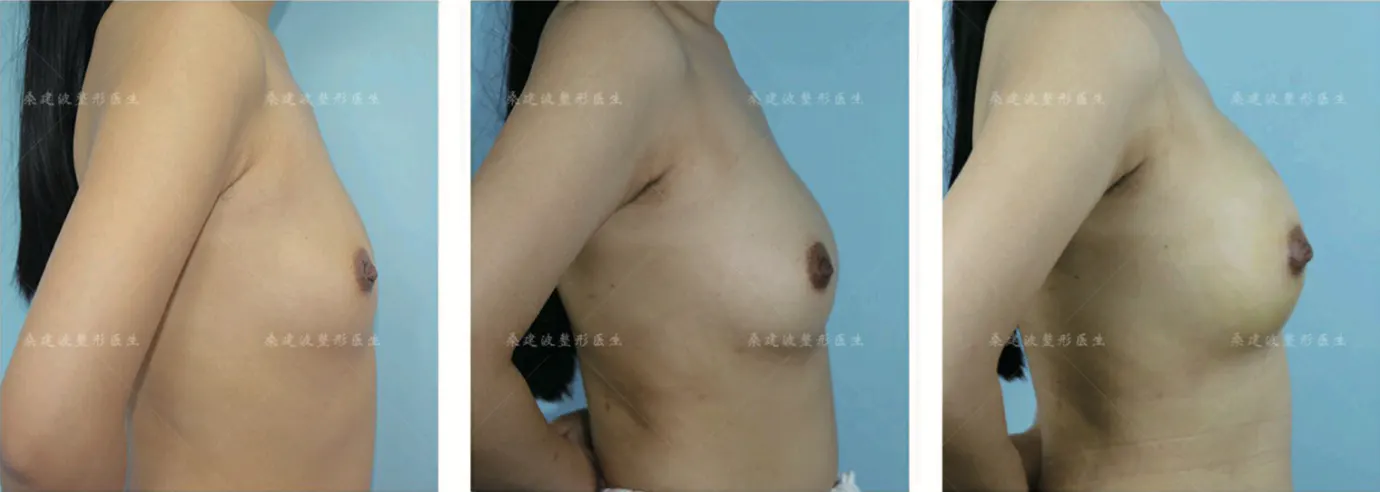
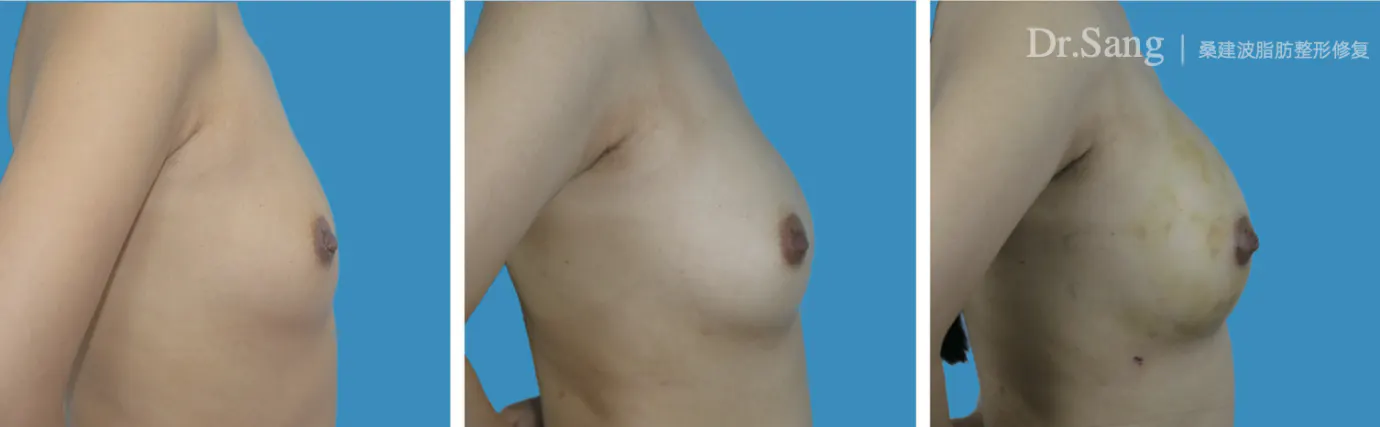
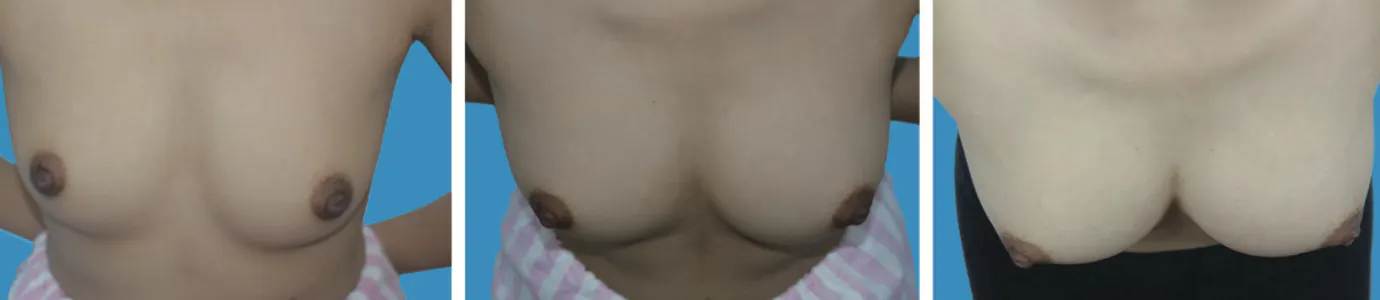
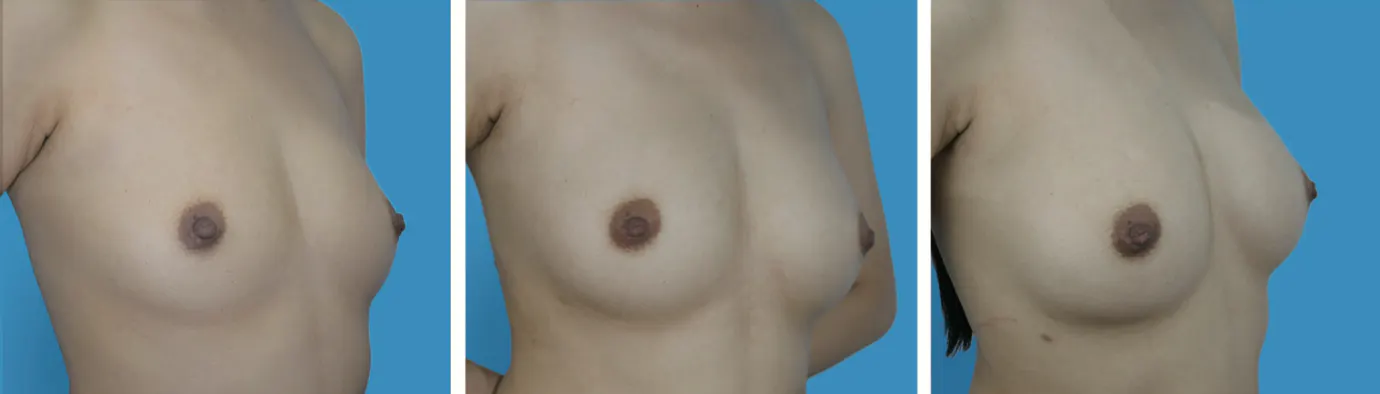
Beauty carved with a soul
Sculpting beauty with character
Motiva Ergonomix
One-to-one safety & customized implants
Team REAL breast-surgery specialists
Fast return to daily life
One day One Stop care
Choose the ideal implant for your body from trusted FDA-, CE-, and similarly certified products.
A dedicated medical and surgical team specializing in breast procedures, with over ten years of experience and refined techniques.
The REAL Recovery Program supports a fast return to normal life after breast surgery while minimizing complications.
Same-day discharge—expertise and skill make the difference

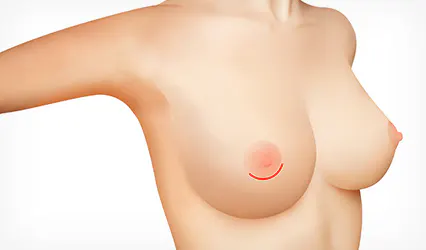
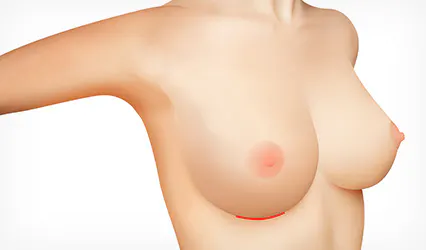
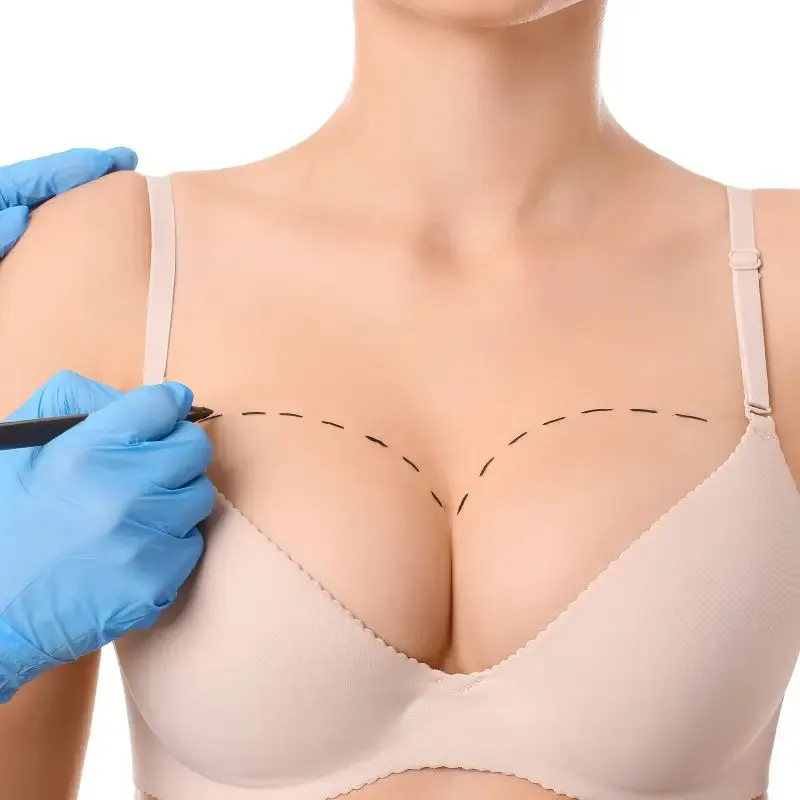
Surgical methods by incision location
01
Steps
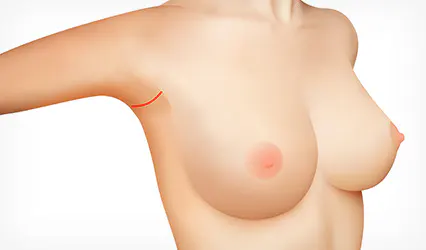
Axillary-crease incision
The incision is placed in the most concealed underarm crease.
Breast tissue is not touched, so breastfeeding is unaffected. The scar follows the underarm fold and becomes almost unnoticeable over time.
02
Steps
Areolar incision
The incision follows the edge of the areola.
The scar is discreet from early recovery and arm and shoulder movement are unaffected. Because the incision is close to the operative area, it provides precise access for breast-lift or revision surgery.
03
Steps
Inframammary-fold incision
The incision is made in the crease beneath the breast.
This is the fastest approach and gives direct access to the operative area, making it especially effective for sagging breasts or revision surgery.
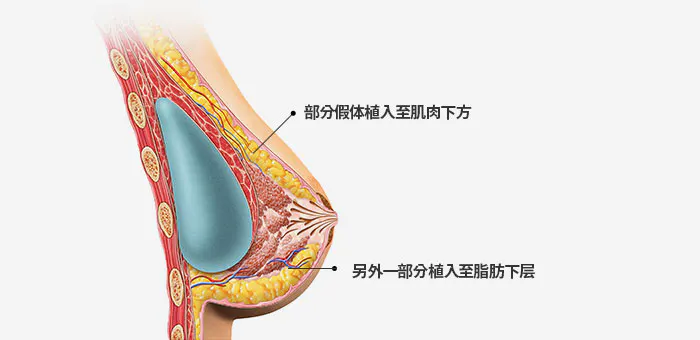
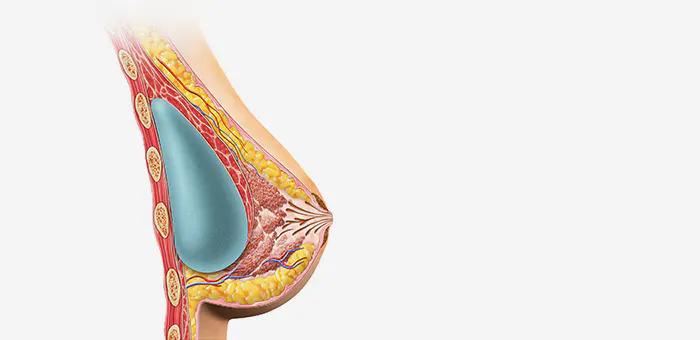
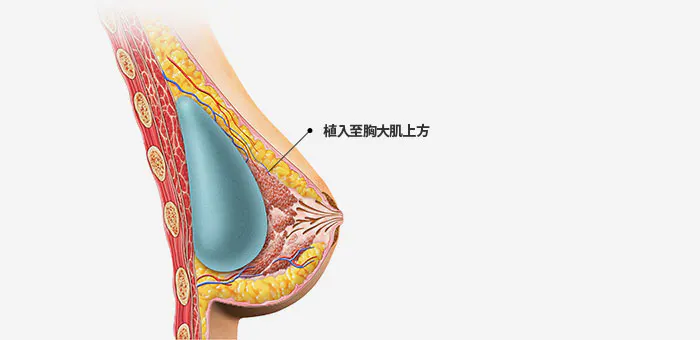
Surgical methods by implant position
Dual-plane placement
The upper part of the implant lies beneath the pectoralis major and the lower part beneath the breast tissue. Because it spans two tissue planes, it is called dual plane.
With limited breast tissue, muscle coverage hides the implant's upper edge and prevents an unnatural outline. Placing the lower part above the muscle allows the skin and soft tissue to expand for a more natural lower-breast contour.
This is the most commonly used method for women with limited breast tissue.
Subfascial placement
The implant is placed beneath the fascia covering the chest muscle. It combines some advantages of dual-plane and subglandular placement. Because the muscle is not cut, recovery is faster and pain is reduced.
It is unsuitable for very thin patients, but can be highly effective when there is adequate breast tissue with mild sagging.
Subglandular placement
The implant is placed between breast tissue and chest muscle, mainly for patients with ample breast tissue or well-developed chest muscles.
It offers good postoperative mobility, natural cleavage and a soft feel, and muscle movement has less influence on implant shape.
In thin patients or those with little breast tissue, the implant outline may be visible. Because of this drawback, the method is often not recommended for young women.

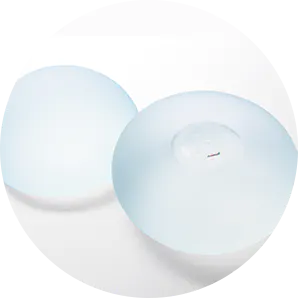

Safe, trusted breast implants at REAL
We use implants in multiple sizes from brands with FDA, CE, ISO and other international safety certifications.
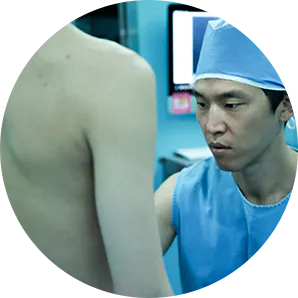
Choose implants only after consulting a breast specialist. Regular postoperative checks and care help reduce complications.
Safe, trusted breast implants at REAL
We use implants in multiple sizes from brands with FDA, CE, ISO and other international safety certifications.
Choose implants only after consulting a breast specialist. Regular postoperative checks and care help reduce complications.
REAL Breast Surgery
The following procedures may provide a better combined result
+ Autologous-fat breast augmentation
Advanced regenerative techniques precisely activate the cells' repair potential, support deeper metabolism of melanin deposits, and address dull, uneven tone at its source. Alongside brightening care, collagen support is remodeled to promote clear radiance and a firmer, smoother appearance.
+ Non-invasive fat reduction and cryolipolysis
High-frequency ultrasound energy creates an effective pathway for skin absorption, delivering a concentrated vitamin complex into the dermal layer without needle puncture for deeper nourishment. It supports facial contours while revitalizing dehydrated, tired skin for an immediately firmer and naturally replenished look.
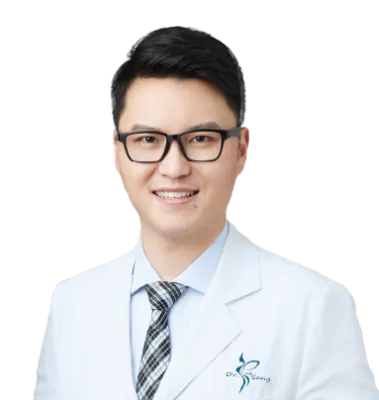
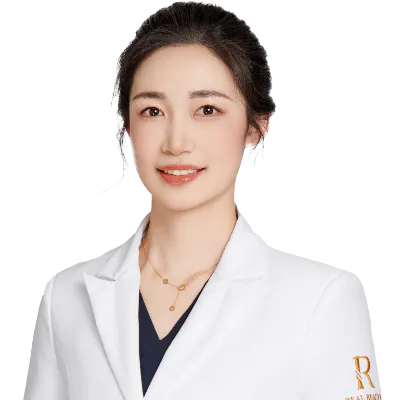

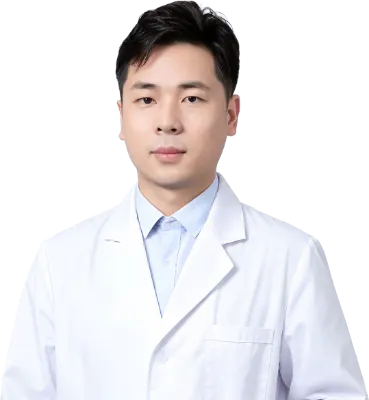



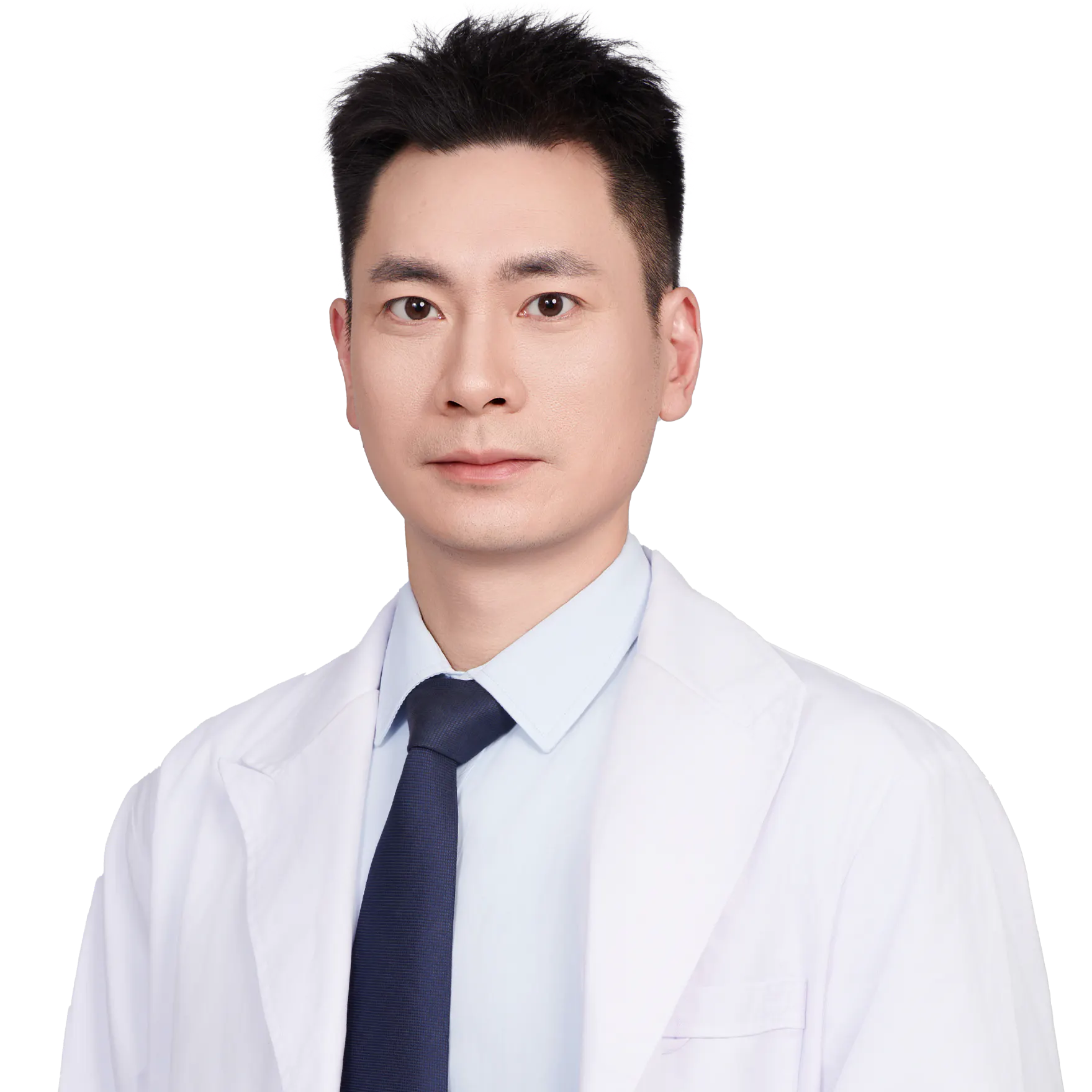
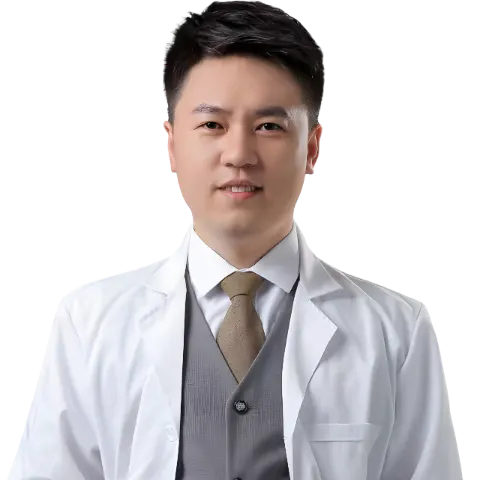
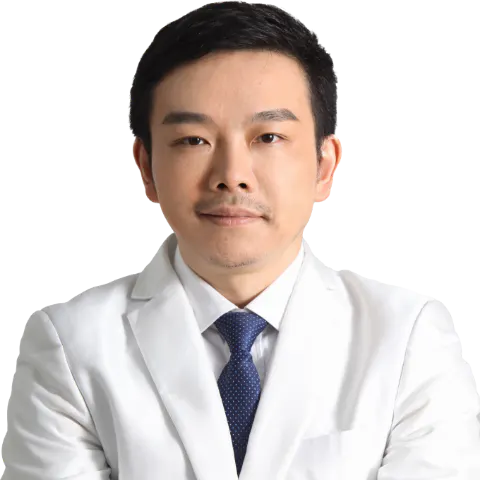
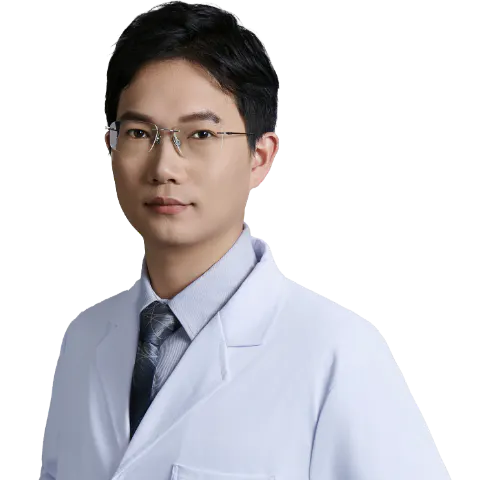













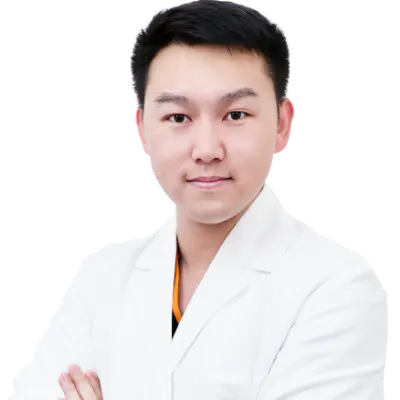


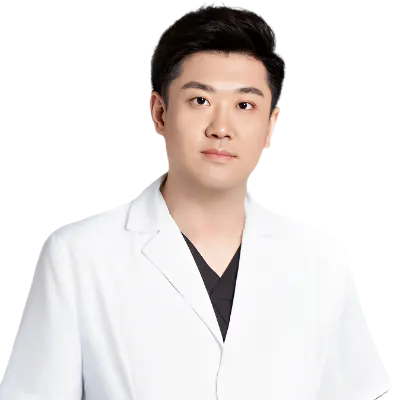
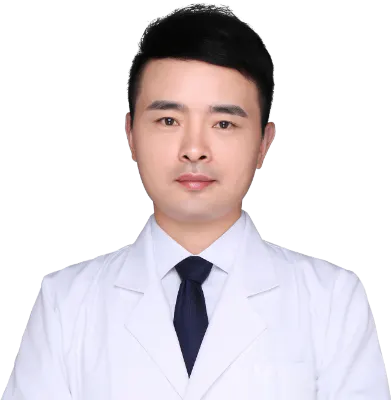



TEAM REAL
Technology and experience elevated to a new level
Surgical specialists
Specialists
Sang Jianbo
Specialists
Shen Minmin
Specialists
Chai Xinxin
Specialists
Zhou Jinglin
Specialists
Zhang Senlin
Specialists
Chen Lei
REAL medical team
Specialists
Wang Yibin
Specialists
Tang Hongjun
Specialists
Liu Zhan
Specialists
Zhou Pengqi
Specialists
Lin Hongqing
REAL medical team
Dermatology specialist — REAL clinic
Specialists
Bai Xue
Specialists
Zhang Junli
Specialists
Yang Bailu
Specialists
Shi Lixiao
Specialists
Bu Shuangyan
Specialists
Dong Qinxiao
Specialists
Nie Fangjie
Specialists
Ling Xiyue
REAL medical team
Dermatology specialist — AMAN clinic
Specialists
Geng Changliang
Specialists
Liu Guanchu
Specialists
Wang Qianwei
Specialists
Wang Shan
Specialists
Liu Shulan
Specialists
Chen Libing
REAL medical team
Dermatology specialist — REGAL clinic
Specialists
Ma Yunxia
Specialists
Zhang Ailan
Specialists
Lü Weiliang
Specialists
Zhou Yachao
Specialists
Xun Dongni
Specialists
Zhang Shasha
Specialists
Zhang Chi
REAL medical team
TEAM REAL
Technology and experience elevated to a new levelSurgical specialists
Specialists
Sang Jianbo
Specialists
Shen Minmin
Specialists
Chai Xinxin
Specialists
Zhou Jinglin
Specialists
Zhang Senlin
Specialists
Chen Lei
Specialists
Wang Yibin
Specialists
Tang Hongjun
Specialists
Liu Zhan
Specialists
Zhou Pengqi
Specialists
Lin Hongqing
Dermatology specialist — REAL clinic
Specialists
Bai Xue
Specialists
Zhang Junli
Specialists
Yang Bailu
Specialists
Shi Lixiao
Specialists
Bu Shuangyan
Specialists
Dong Qinxiao
Specialists
Nie Fangjie
Specialists
Ling Xiyue
Dermatology specialist — AMAN clinic
Specialists
Geng Changliang
Specialists
Liu Guanchu
Specialists
Wang Qianwei
Specialists
Wang Shan
Specialists
Liu Shulan
Specialists
Chen Libing
Dermatology specialist — REGAL clinic
Specialists
Ma Yunxia
Specialists
Zhang Ailan
Specialists
Lü Weiliang
Specialists
Zhou Yachao
Specialists
Xun Dongni
Specialists
Zhang Shasha
Specialists
Zhang Chi

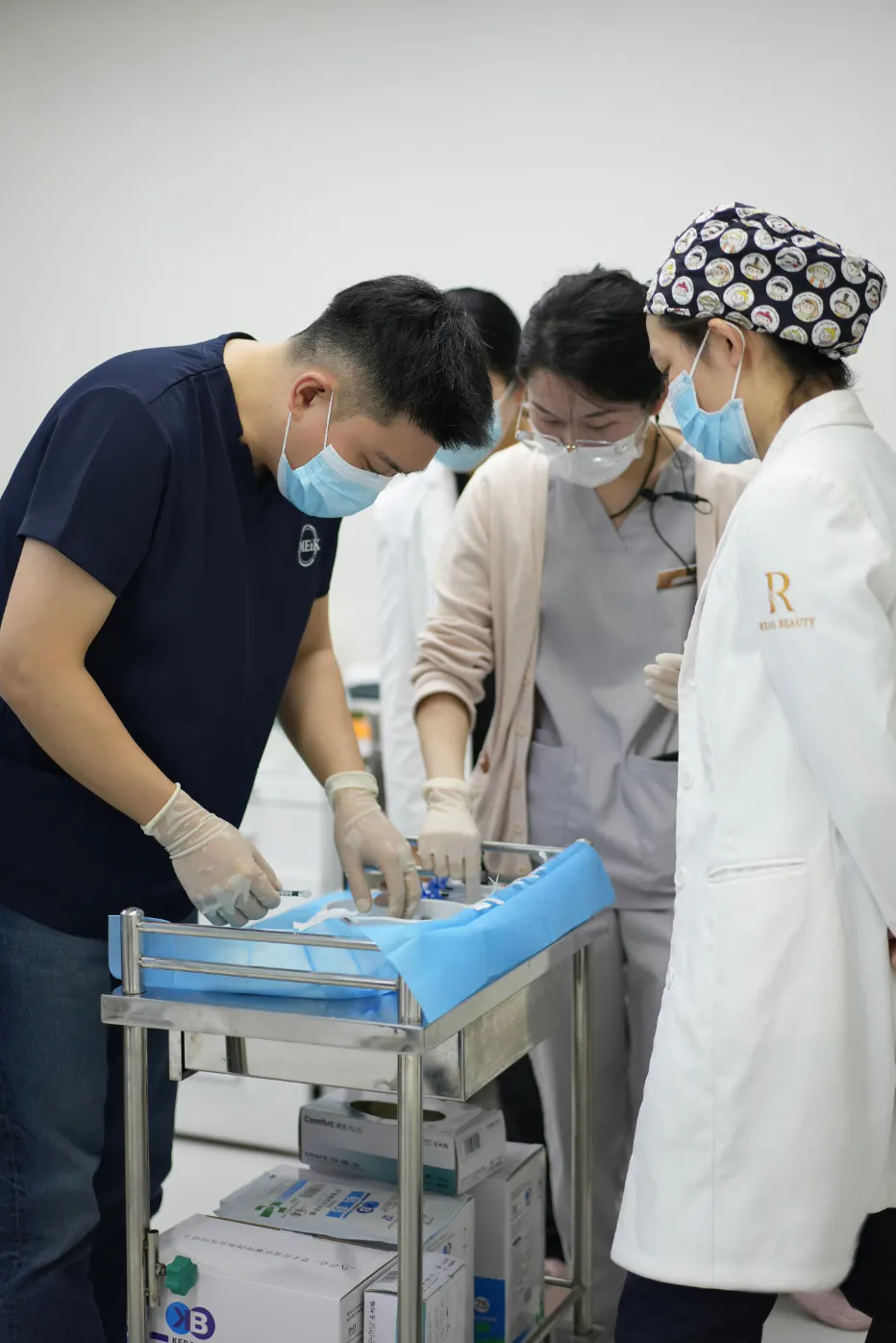
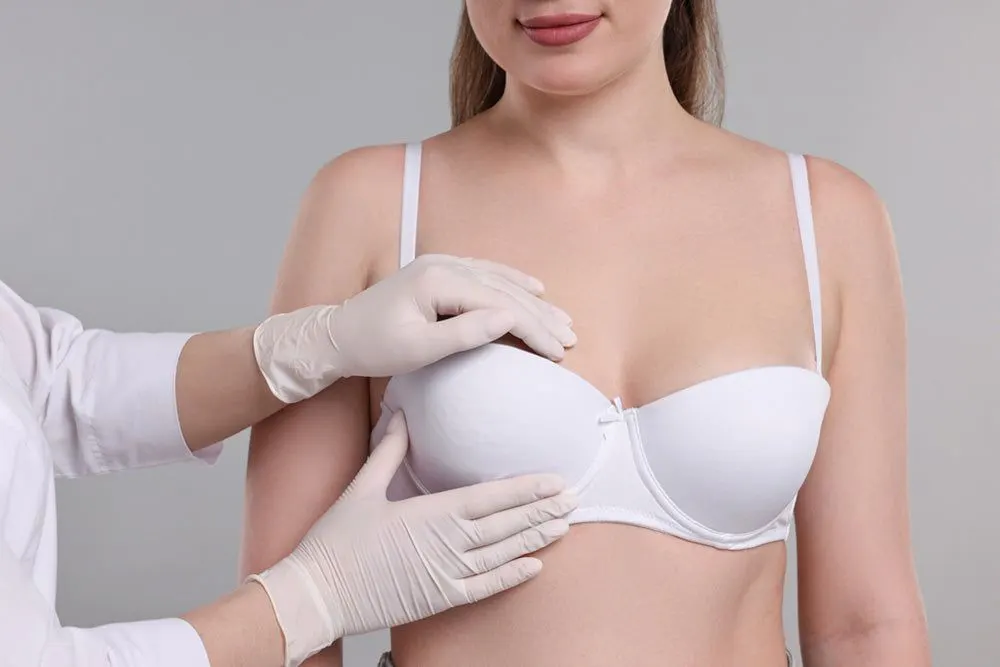

REAL ONE STOP CARE
01
Preoperative examination
Preoperative testing is essential for surgical safety. To assess anesthesia safety, chest X-rays, electrocardiography, blood tests, and other examinations are performed to identify possible liver, heart, kidney, lung, or anemia-related conditions. These results help determine whether the patient can safely undergo surgery and general anesthesia and provide a clear picture of overall health.
02
Breast cancer screening and assessment for abnormalities
Patients who have not yet undergone breast cancer screening should be examined before surgery to confirm that there are no breast abnormalities. REAL places safety first, so this step is not omitted even though it adds complexity. Screening can be coordinated with the surgical schedule at a nearby partner hospital.
03
Minimal dissection, trusted implants, and a highly specialized breast-surgery team
The patient signs informed consent, fully reviews postoperative precautions, and consults the director again to confirm the surgical plan before proceeding. Surgery is performed under the direction of a senior plastic surgeon with more than ten years of breast-surgery experience, while a specialist anesthesia team monitors the entire procedure in real time.
04
Postoperative recovery and hospital stay
After surgery, the patient receives focused care in the recovery room until fully stable. A hospital stay is arranged when necessary. REAL's safety system is activated throughout recovery, with continuous supervision by anesthesiologists, nurses, and the medical team.
05
Care after discharge
After discharge, REAL provides a personalized recovery plan to reduce swelling and support recovery with attentive follow-up care.
Questions and answers
Q&A
Is massage required after breast surgery?
With smooth implants, active massage and gentle exercise are recommended early. Begin massage around day 4–5 and continue it independently at home.
When can I return to daily life after breast surgery?
Recovery varies, but normal eating and washing are usually possible on the day of surgery. Light daily tasks can resume after 3–4 days, so many patients schedule surgery around a weekend. By day 4–5, arm movement is freer and gentle exercise may aid recovery.
Must I wear a compression bandage after breast surgery?
Because compression bandages may apply uneven pressure and loosen during movement, REAL recommends a shaping garment during recovery.
When can I start wearing a bra?
There is no single rule, but an unsuitable bra can compress the implant upward and distort its position. REAL advises careful bra selection and use during the first postoperative month. From day 4–5, freer arm movement and gentle exercise may help recovery.


Breast Surgery Reviews
Real Breast Surgery Cases
These are patients treated at REAL
Unretouched photos of patients after treatment







If you are being treated or taking medication for hypertension, heart disease, diabetes, or a thyroid condition, be sure to inform the medical team in advance.
Stop smoking before surgery because cigarettes can trigger phlegm, sneezing, and postoperative bleeding.
Observe the required fasting period before surgery.
Contact lenses, jewelry, nail products, and similar items may interfere with surgery, so remove them beforehand.
Wear comfortable clothing that will not irritate the surgical area when you come to the hospital.
You may be unable to drive after surgery.